
Xerjoff
Release Date – 2019


Top Notes
Heart Notes
Base Notes
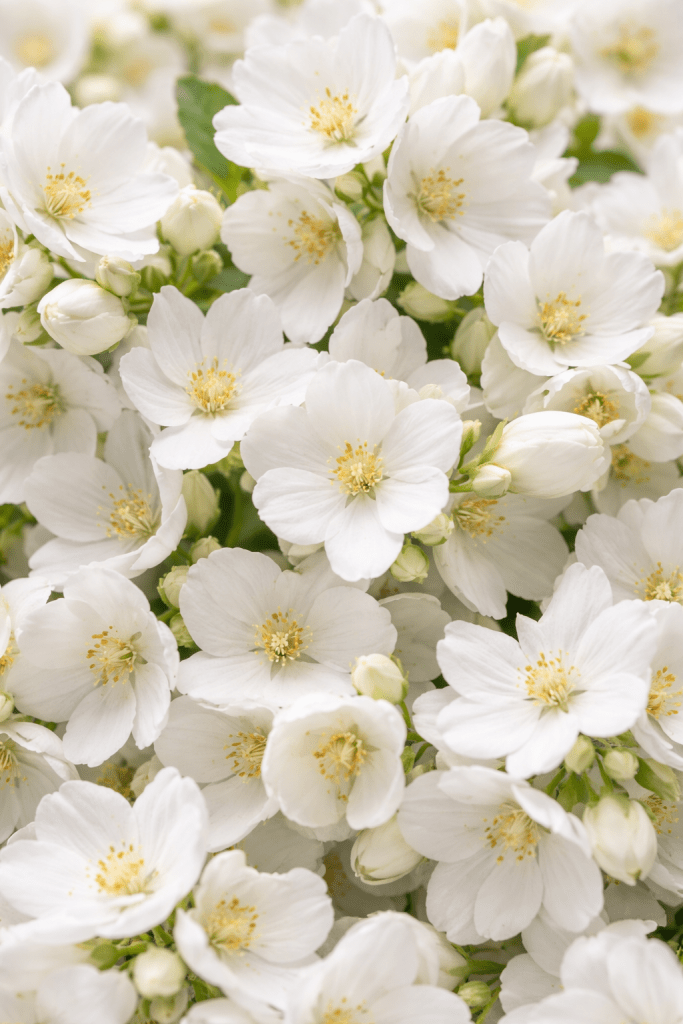
White Flowers
Orris
White Musk
Apollo, Apollonia, and the Moon
Apollonia by Xerjoff promises to take us on a “serene celestial journey”.
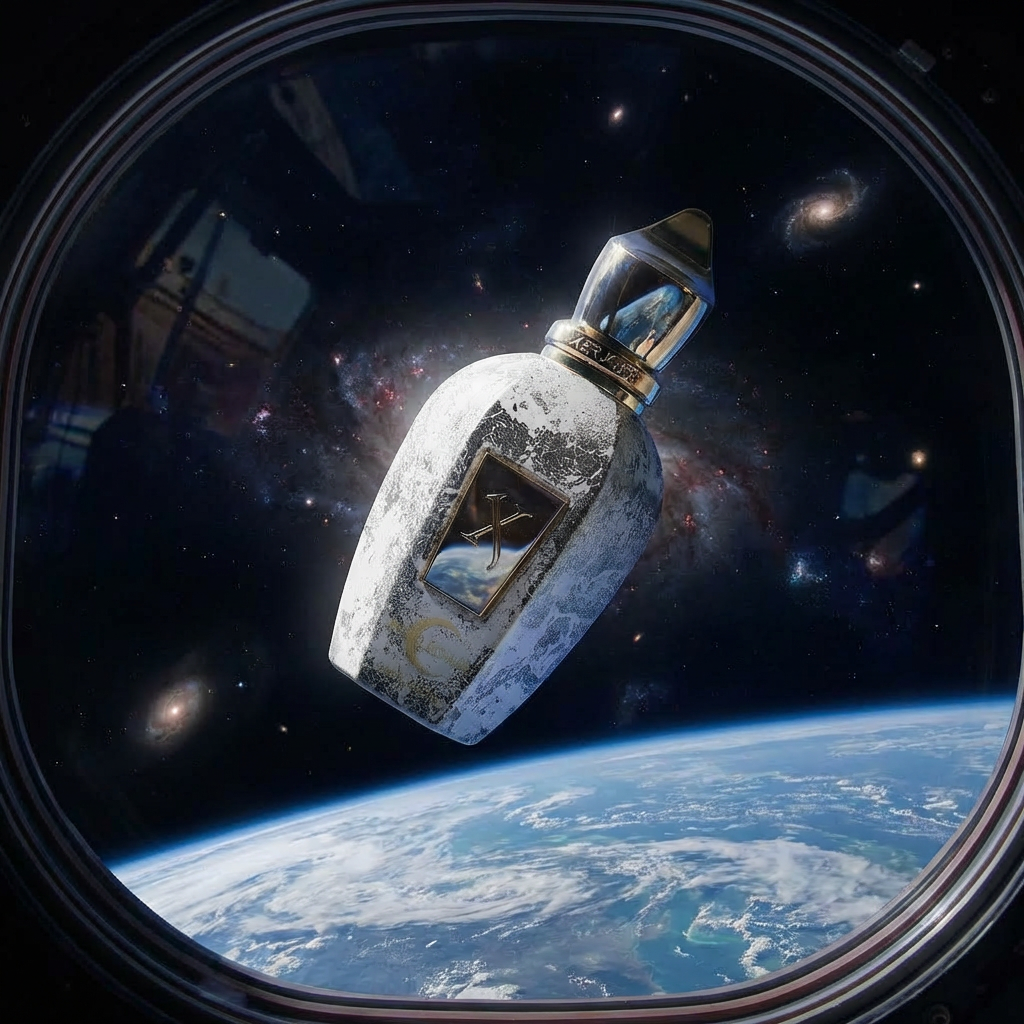
Created to honour and evoke the “mystery of deep space”, its marketing depicts the bottle hovering above the pits and craters of the moon, seemingly at home in the star-embellished vastness of a distant cosmic realm.
Its bottle showcases grey, black and white marbling reminiscent of the moon’s textured face, and a tiny gold-gilded moon emblem sits beneath the typography of its title, Apollonia, a feminine take on Apollo.
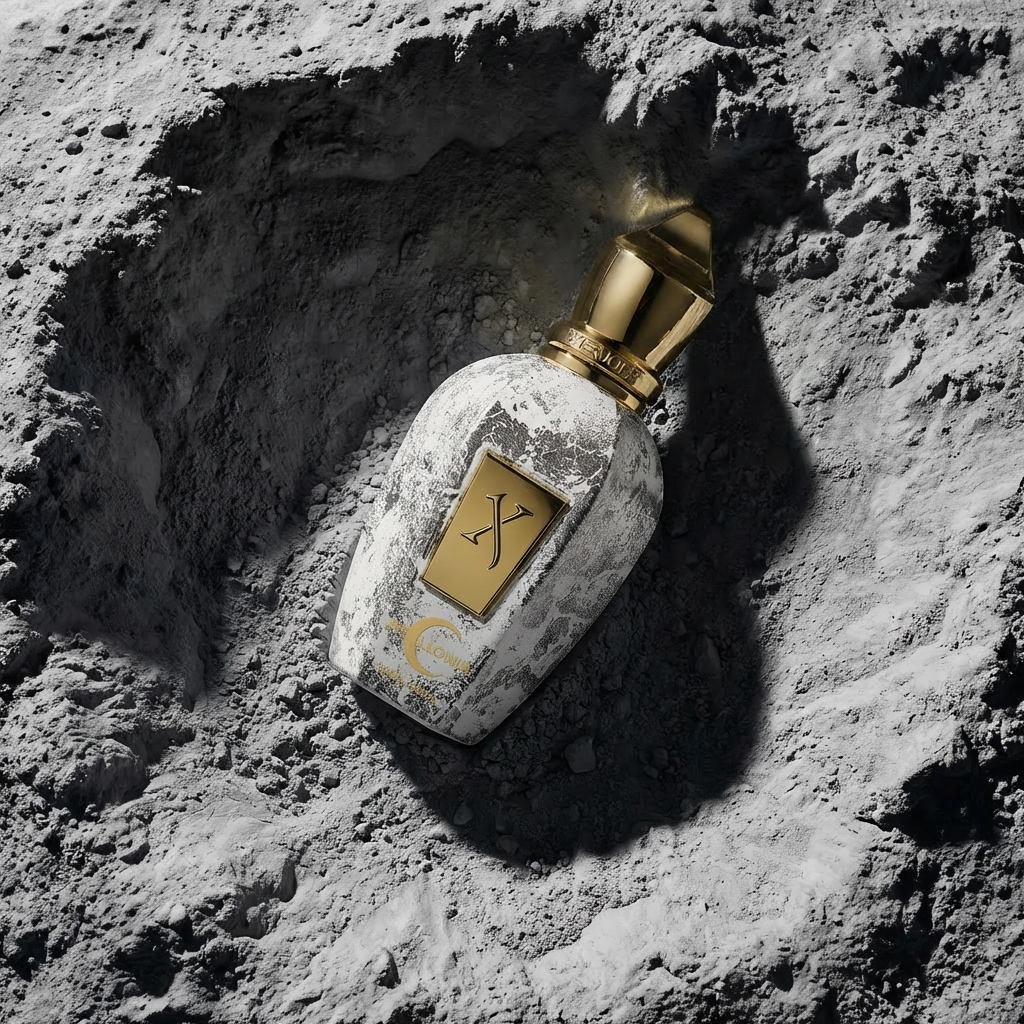
The inclusion of the dates “1969/2019” at the base of the bottle further affirms its lunar origins, with 1969 being the year Apollo 11 took flight and man first set foot on the moon.
I was especially interested to find through a quick Google that the name Apollonia is also believed to mean “strength” or, on a quite drastically different note, “to destroy”.
Here, it had already delivered on one promise – destroying my wallet – but I was deeply curious whether my 5ml investment would be worth its astronomical retail price.
First Impressions
When I received Apollonia in the post, I knew nothing of its inspiration and evocations of space. I had simply hunted it down after seeing its name blazoned across numerous threads and forums oriented around “freshies”, one of my most beloved scent families.
It arrived in a bubble-lined Jiffy, maintaining its ambiguity in a plain glass vial with a simple “5ml” mark on one of the bottle’s sides.
Given the hype and acclaim around this fragrance, the first spray left much to be desired. I was expecting suds, glittering foam and the usual frothy accord that comes with “clean” fragrance.
Jotting a hasty note into my perfume sampling notebook, I almost felt compelled to call it fizzy? Like a sodium tablet crackling and popping in a glass of still water. Recognisable when smelled and concentrated on, but seemingly underwhelming.
Moon Dust and Marketing
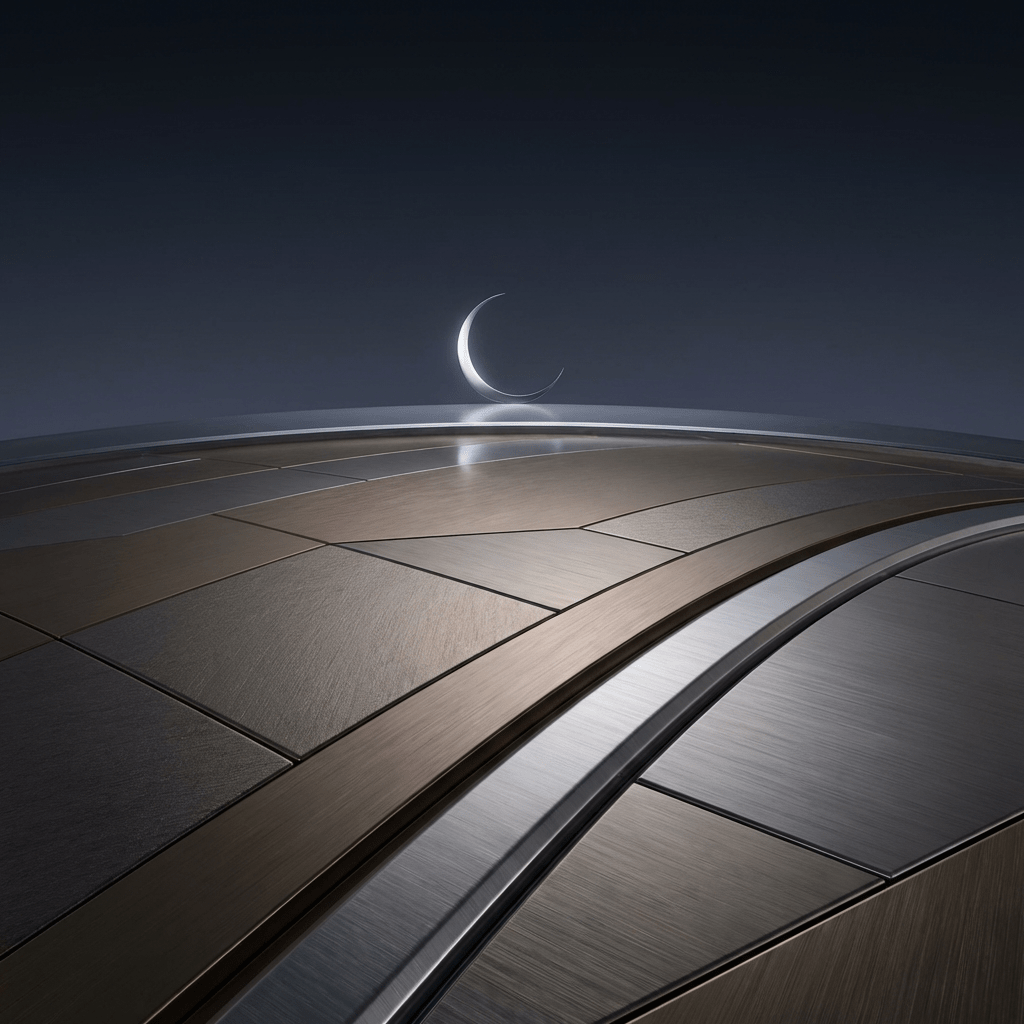
My impression of Apollonia was half-heartedly formed before I understood what she was trying to achieve. Now that I do know, I can say that I am very impressed.
The epiphany that came from reading up on its backstory brought about a certain dilemma for me as a perfume enthusiast. I typically bang on about trying to avoid marketing collateral, for I know, and have seen firsthand, the dangers of relying too heavily on a list of notes to dictate an olfactory experience.
Countless times, I have trawled Fragrantica or Parfumo, to read reviews of people claiming a scent is “haunting” or “creepy and gothic”, simply because the bottle is marketed as such (I’m looking at you, Anna Sui fans).
While I do hunt down the notes and back-stories after my first sniff (sometimes glossing through them beforehand when looking for new scents to sample), I try to forget the associations before I get my nose on the fragrance itself.
This experience, however, has made me realise I should likely reverse the order in which I do things. When I took Apollonia on and reduced her to nothing but a freshie, I was hugely undermining the beauty and point of what she was trying to achieve.
Under such a rigid lens, this fragrance is pleasant, but nothing about it initially “wowed” me. Yes, it satisfied the “clean” aspect I was pursuing, but it lacked the warmth and cosiness I craved alongside it.
Nothing was comforting about her. But that is exactly the point she was trying to make. Once you are aware of Apollonia’s intention, it truly is astounding how well the noses behind this have nailed the “feel” and “otherworldliness” of space.
The Beauty of Distance
Apollonia is sterile and clinical. Yet undeniably beautiful.
The metal and dust that blanket the flowers and musk evoke a slight sense of melancholy, as if you were admiring the beauty of nature from the metal belly of a spacecraft – bolted and sealed off in an aseptic floating bubble.
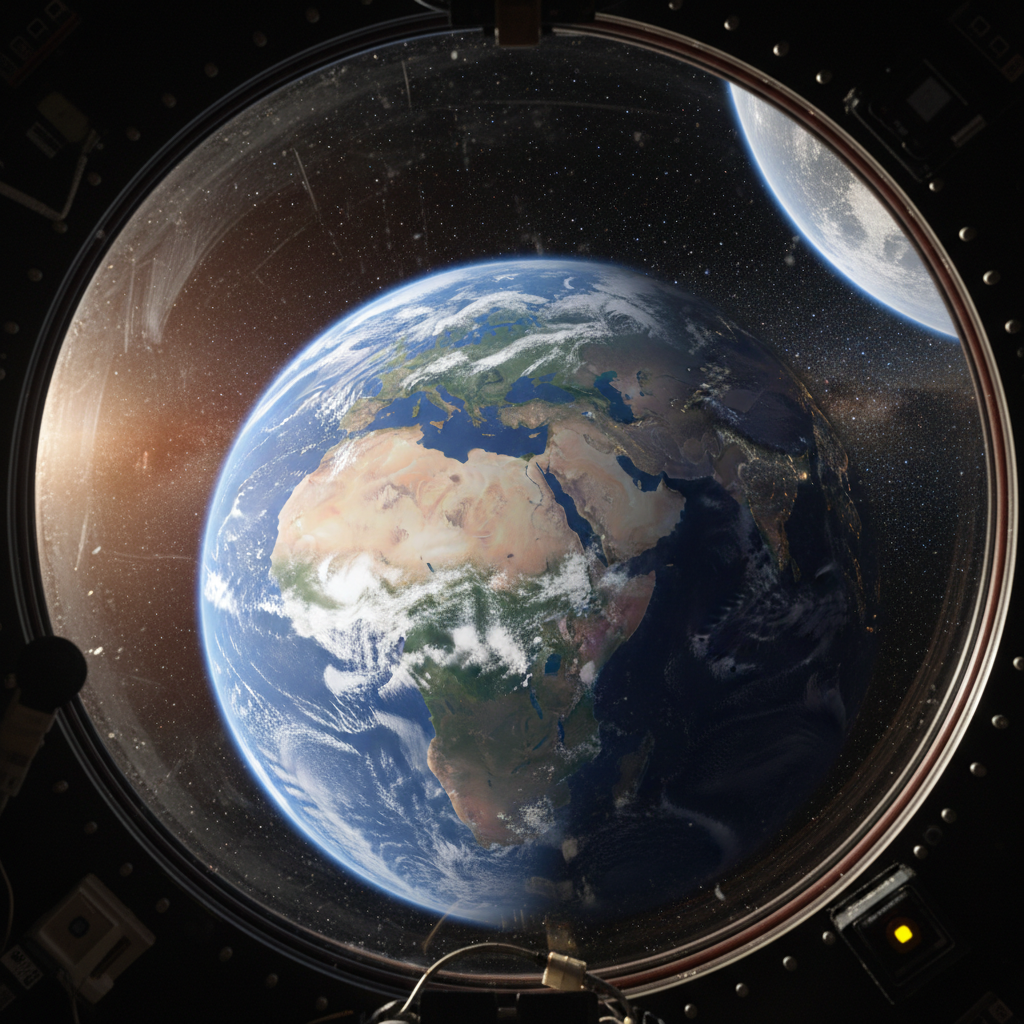
While it may feel lonely, drifting through space in an airtight vessel, there is undeniable joy and comfort in overseeing the Earth and its natural splendours from a new perspective. You feel a part of it, unified with it, but distant and disconnected, all at once.
In this case, you almost wouldn’t want to get any closer to those natural notes (the flowers and musk), for fear of disrupting the beauty of their natural equilibrium. It is much better in this instance to observe and appreciate them from afar, allowing them to simply be.
I am reminded of some of the language of the poems that make up Arnold Schoenberg’s Pierrot Lunaire musical cycle, and I wonder if the makers of this scent have drawn upon these histories of association between the moon and sterility, blankness, bright colourless posies and diamond-like clarity:
The fountain in its basin.
Laughs with a bright metallic sound.
A fantastic ray of moonlight.
Illuminates the crystal flasks.
The pale flowers of moonlight,
Those roses made of light,
Bloom in the nights of summer:
If only I could pick one!
Back Down To Earth
This fragrance is the closest that I and many others will likely get to understanding what leaving Earth and observing it from above would feel like.
While the idea of space does frighten me if I think about it at length, I can say that perhaps I would be a touch more willing to deal with its vastness and ambiguity if I knew this is the scent it carried.
Masterful and provocative. 8 out of 10 sniffs.

 On That Note
Leave a comment